English
 Español
  Português
  русский
  Français
  日本語
日本語  Deutsch
  tiếng Việt
  Italiano
  Nederlands
  ภาษาไทย
  Polski
  한국어
한국어  Svenska
  magyar
  Malay
Malay  বাংলা ভাষার
  Dansk
Dansk  Suomi
Suomi  हिन्दी
  Pilipino
  Türkçe
  Gaeilge
  العربية
  Indonesia
  Norsk
Norsk  تمل
تمل  český
český  ελληνικά
  український
  Javanese
  فارسی
فارسی  தமிழ்
தமிழ்  తెలుగు
  नेपाली
  Burmese
  български
  ລາວ
ລາວ  Latine
  Қазақша
  Euskal
  Azərbaycan
  Slovenský jazyk
  Македонски
  Lietuvos
  Eesti Keel
  Română
  Slovenski
  मराठी
मराठी  Srpski језик

Abstract
If your operation moves bulk material—ore, aggregates, coal, sand, fertilizer, or industrial powders—your biggest costs often hide in plain sight: unplanned stops, belt mistracking, spillage, dust, inconsistent feed rates, and maintenance that always seems to happen at the worst possible moment. This article breaks down how modern Conveying Equipment solves those pain points with the right system layout, component choices, and operating habits. You’ll learn how to match a conveyor type to your material, how to design for reliability instead of “just capacity,” and how to reduce total cost of ownership through smarter wear protection, cleaner transfer points, and easier inspection access. Along the way, I’ll share a practical buyer checklist and an FAQ you can use to align engineers, procurement, and site managers before you place an order.
Contents
- Outline
- Where Bulk Handling Usually Goes Wrong
- What You Must Know Before Choosing a System
- Which Conveying Equipment Fits Which Job
- Design Choices That Protect Uptime
- Maintenance That Prevents Emergency Repairs
- Safety and Compliance Without Slowing Production
- Buyer Checklist
- FAQ
- Next Step
Outline
- Diagnose the real causes of downtime: transfer points, dust, mistracking, and unstable feeding.
- Gather material and site inputs that determine performance and wear life.
- Compare major conveyor solutions and where each one shines (and fails).
- Apply reliability-first design: cleaner transfers, better sealing, stronger take-up control, easier access.
- Build a maintenance routine that reduces emergency stops and extends component life.
- Use a straightforward checklist to evaluate suppliers and finalize specs.
Where Bulk Handling Usually Goes Wrong
Most sites don’t suffer because they “picked the wrong conveyor.” They suffer because they underestimate the ugly details: fine dust that behaves like water, sticky materials that build up on pulleys, abrasive rock that eats liners, or sudden surges that overwhelm a transfer point. When those factors stack up, you see the same symptoms:
- Unplanned downtime: belt mistracking, seized idlers, plugged chutes, or drive overload trips.
- Material loss: spillage at loading zones, bouncing at transfers, wind-blown fines, and cleanup labor.
- Dust and housekeeping pain: health risks, complaints, and slippery floors that become safety incidents.
- Inconsistent feed: downstream crushers, screens, mills, or packing lines starve or flood.
- High maintenance burden: hard-to-access rollers, impossible-to-reach liners, and “inspect by stopping production.”
The fix is not a single “premium belt” or a bigger motor. The fix is a system approach: choose the right Conveying Equipment for the material behavior, then design the loading, sealing, and inspection access so the system stays stable for months—not just for the first week after commissioning.
What You Must Know Before Choosing a System
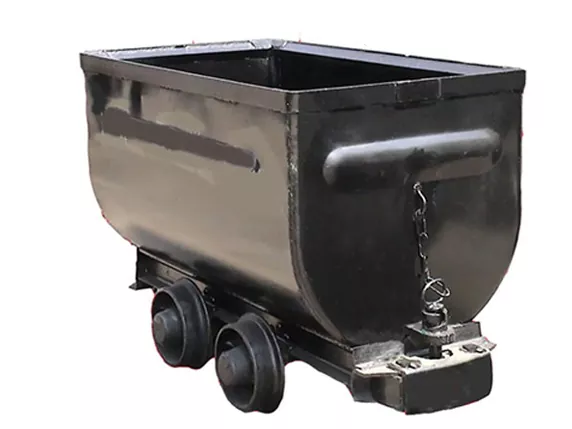
Before you compare models, gather inputs that actually control reliability. If your team can answer these clearly, you’ll avoid the classic trap of selecting on headline capacity alone.
- Material properties: bulk density, moisture, particle size distribution, temperature, abrasiveness, and stickiness.
- Capacity profile: average vs peak throughput, surge events, and whether feeding is continuous or batch-based.
- Layout constraints: elevation changes, turning requirements, available footprint, and existing structures.
- Environment: outdoor wind/rain, corrosive atmosphere, cold climate, and dust sensitivity of nearby areas.
- Operational priorities: lowest downtime, lowest dust, easiest maintenance, lowest power, or highest flexibility.
If you’re moving mining or quarry material, it’s also worth noting tramp metal risk and how you’ll protect downstream equipment. Small decisions—like where you place a magnet, or how you arrange a transfer chute—can save you from catastrophic belt damage later.
Which Conveying Equipment Fits Which Job
No single conveyor type wins everywhere. The “best” choice depends on whether you’re handling large lumps, fine powders, sticky sludge-like materials, or high-temperature product. Here’s a practical comparison you can use in early-stage selection.
| Equipment Type | Best For | Key Advantages | Common Watch-Outs |
|---|---|---|---|
| Belt Conveyor | Most bulk solids, long distances, high throughput | Efficient power use, scalable, proven reliability | Transfer design drives dust/spillage; needs good tracking control |
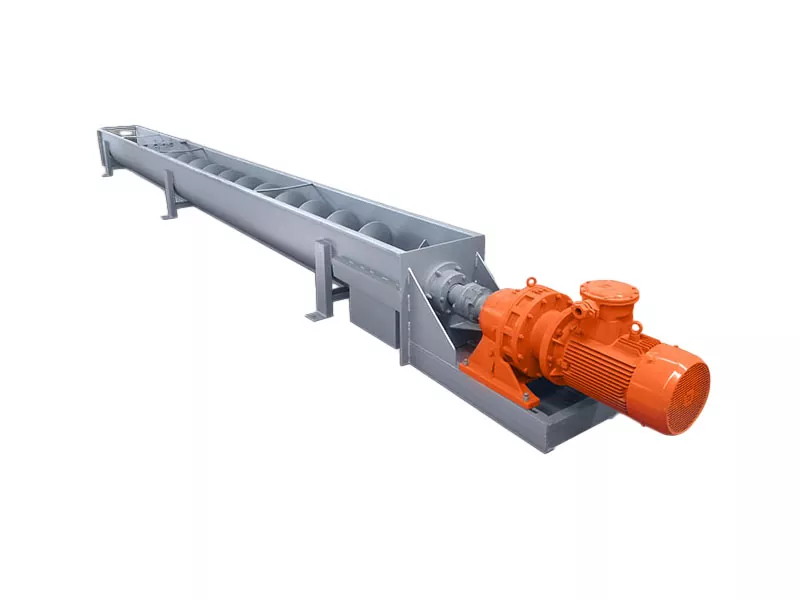
| Screw Conveyor | Powders, granules, controlled short-distance feeding | Compact, enclosed, easy to control feed rate | Wear with abrasive materials; not ideal for large lumps |
| Bucket Elevator | Vertical lifting of grains, powders, small aggregates | Small footprint, effective vertical transport | Backlegging risks, sensitive to moisture and sticky build-up |
| Vibrating Feeder / Conveyor | Controlled feeding to crushers/screens, sorting lines | Good metering, handles irregular materials | Noise, wear on pans/liners, needs proper isolation/mounting |
| Pneumatic Conveying | Fine powders, enclosed transfer, cleanliness-sensitive zones | Dust containment, flexible routing | Higher power, product degradation risk, needs stable air control |
| Apron Feeder (as a feeding solution) | Heavy-duty, large lump ore, high impact loading | Handles brutal loading, stable feed to crushers | Higher capex and maintenance than light-duty feeders |
If you’re unsure, start with the material behavior: dusty fines often benefit from enclosed solutions and gentle transfers, while sharp, abrasive rock demands heavy-duty liners and impact protection. A supplier with mining experience should be able to walk you through trade-offs without forcing a one-size-fits-all answer.
Design Choices That Protect Uptime
Reliability is mostly decided at the loading zone and transfer points. When those are engineered correctly, the belt tracks straighter, the idlers live longer, and cleanup becomes a minor routine—not a daily crisis. Here are the design choices that most directly reduce downtime and loss:
- Stable loading and centered material flow: Use proper chute geometry and feed control so material lands in the middle of the belt. Off-center loading is a fast track to mistracking and edge wear.
- Impact and wear protection where it matters: At the loading zone, choose impact beds or impact rollers sized for real lump weight and drop height. Pair that with wear liners in chutes to protect structural steel.
- Effective skirt sealing and dust control: If fines leak from skirt boards, you’ll “pay” forever—labor, housekeeping, and health risk. A good sealing system is one of the highest-return investments in Conveying Equipment.
- Cleaner transfer points: Design for a smooth, controlled material stream that matches belt speed. Turbulent transfers create dust clouds, bounce, and belt damage.
- Proper take-up and tension control: Stable belt tension reduces slip, improves tracking, and lowers shock loads on the drive.
- Maintenance access by design: If your technicians can’t safely reach idlers, scrapers, and liners, maintenance gets delayed—and downtime follows.
This is where a manufacturer’s real-world experience matters. At Qingdao EPIC Mining Machinery Co.,Ltd., the goal isn’t just to ship a conveyor; it’s to deliver a bulk handling solution that stays clean, stable, and serviceable under mining-grade conditions—because that’s what protects production schedules.
Maintenance That Prevents Emergency Repairs
The best maintenance strategy is predictable, quick, and based on early signals—before a failure stops the line. Here’s a practical routine many sites use to keep Conveying Equipment running smoothly:
- Daily walkdown (fast): check tracking, listen for unusual idler noise, look for dust leaks and spillage patterns.
- Weekly checks: inspect belt cleaners, skirt seals, pulley lagging condition, and chute build-up.
- Monthly service: verify take-up behavior, drive alignment, guarding condition, and structural fasteners.
- Planned shutdown tasks: replace liners, rotate/replace critical idlers, and refresh sealing systems.
One small mindset shift helps a lot: don’t treat spillage as “normal.” Spillage is a symptom. If you fix the transfer and sealing causes, you reduce cleanup hours and also reduce the chance that material ends up where it can destroy bearings or damage a return belt.
Safety and Compliance Without Slowing Production
Good safety design doesn’t fight productivity—if anything, it protects uptime by reducing incidents and making inspections easier. When evaluating a system, look for:
- Proper guarding: drives, nip points, and rotating components protected without blocking service access.
- Emergency stop coverage: accessible pull cords or e-stops along critical zones.
- Dust containment: enclosed chutes, effective sealing, and practical cleaning access.
- Safe access: platforms, ladders, and walkways designed for routine checks.
A safe system is usually a more maintainable system—which is exactly what you want when production targets are tight.
Buyer Checklist
Use this checklist to keep procurement, engineering, and operations aligned. It also helps you compare suppliers on what matters beyond price.
- Can the supplier explain why a specific conveyor type fits your material behavior and site constraints?
- Do they ask for material data (moisture, abrasiveness, particle size), not just capacity?
- Are transfer points, sealing, and dust control treated as core design items—not optional add-ons?
- Is maintenance access clearly shown (inspection doors, liner replacement access, safe platforms)?
- Are wear parts and consumables standardized and easy to source?
- Is the design adaptable for future expansion or changing throughput?
- Do they provide commissioning guidance and operating recommendations that reduce early failures?
FAQ
Q1: What’s the most common reason conveyors fail early?
Poor loading and transfer design. If material hits off-center, bounces, or creates turbulence, you’ll see tracking issues, dust, spillage, and accelerated wear—no matter how strong the belt is.
Q2: How do I choose between an enclosed and open conveyor layout?
If dust, cleanliness, or weather protection is a priority, enclosed solutions help a lot. Open belts can still work well outdoors, but transfer points need extra attention (covers, sealing, and controlled chutes) to prevent blow-off and cleanup problems.
Q3: My material is wet and sticky. What should I focus on?
Build-up control and clean discharge. Sticky material can cling to chutes and pulleys, so you’ll want geometry that reduces dead zones, plus effective cleaners and maintenance access for safe removal when needed.
Q4: Is higher belt speed always better for capacity?
Not always. Higher speed can increase dust and impact at transfer points. In many bulk operations, a balanced approach—appropriate belt width, stable feed, and well-designed transfers—delivers better overall uptime and lower wear.
Q5: What information should I send a supplier to get an accurate recommendation?
Material type and behavior (moisture, particle size, abrasiveness), target capacity (average and peak), layout constraints (distance, incline), and any environmental limits (dust-sensitive zones, outdoor exposure, temperature range). The clearer your inputs, the fewer surprises later.
Next Step
If you’re planning a new line or trying to fix chronic spillage, dust, or downtime, treat Conveying Equipment as a system—not a single machine. The right combination of conveyor type, transfer engineering, sealing, wear protection, and service access can turn bulk handling from a daily headache into a stable, predictable part of production.
Want a configuration that matches your material and site constraints without overbuying? Reach out to Qingdao EPIC Mining Machinery Co.,Ltd. with your material details and layout goals—our team can help you shortlist practical options and build a solution focused on reliability and ease of maintenance. When you’re ready, contact us and let’s turn your bulk handling into something you don’t have to babysit anymore.