 English
 Español
  Português
  русский
  Français
  日本語
日本語  Deutsch
  tiếng Việt
  Italiano
  Nederlands
  ภาษาไทย
  Polski
  한국어
한국어  Svenska
  magyar
  Malay
Malay  বাংলা ভাষার
  Dansk
Dansk  Suomi
Suomi  हिन्दी
  Pilipino
  Türkçe
  Gaeilge
  العربية
  Indonesia
  Norsk
Norsk  تمل
تمل  český
český  ελληνικά
  український
  Javanese
  فارسی
فارسی  தமிழ்
தமிழ்  తెలుగు
  नेपाली
  Burmese
  български
  ລາວ
ລາວ  Latine
  Қазақша
  Euskal
  Azərbaycan
  Slovenský jazyk
  Македонски
  Lietuvos
  Eesti Keel
  Română
  Slovenski
  मराठी
मराठी  Srpski језик


How Can a Real-Time Adjustable CNC Automatic Dosing Machine Improve Precision and Efficiency in Mineral Processing
Article Summary: Accurate reagent dosing is essential for stable mineral processing, consistent production quality, and efficient resource utilization. EPIC's Real-Time Adjustable CNC Automatic Dosing Machine combines digital control, real-time operating feedback, and responsive dosing adjustments to help processing plants manage changing operating conditions. This article explores its working principles, key features, industrial applications, selection criteria, and maintenance practices, helping mining operators and engineers understand how intelligent dosing technology can support more controlled and efficient production.
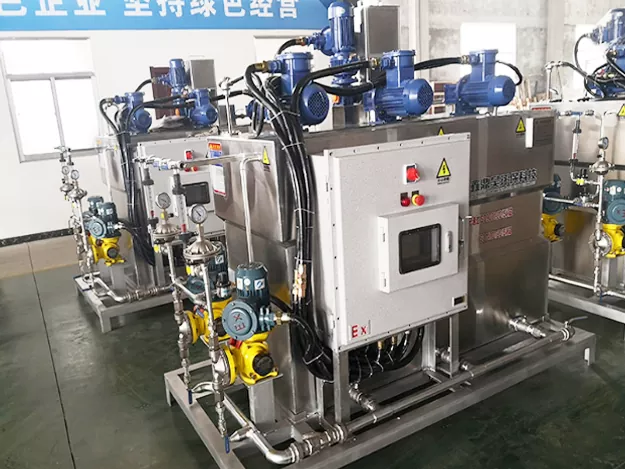
Table of Contents
- What Is a Real-Time Adjustable CNC Automatic Dosing Machine?
- How Does Real-Time CNC Dosing Work?
- Key Features and Operational Advantages
- Technical Considerations and Performance Comparison
- Where Is Automatic Dosing Technology Used?
- How to Select the Right CNC Dosing Machine
- Installation, Calibration, and Maintenance
- Common Dosing Challenges and Practical Solutions
- Frequently Asked Questions
- Conclusion: Improving Process Control with Intelligent Dosing
What Is a Real-Time Adjustable CNC Automatic Dosing Machine?
In modern mineral processing, accurate reagent addition directly affects process stability, operating costs, and the consistency of production results. EPIC's Real-Time Adjustable CNC Automatic Dosing Machine is designed to help industrial operators regulate dosing parameters through digital control and responsive adjustment, addressing the limitations of conventional systems that rely on fixed settings or delayed manual intervention.
A CNC automatic dosing machine uses computer-based numerical control to manage dosing operations according to configured process parameters. Depending on the system design, these parameters can include dosing quantity, operating frequency, cycle duration, and adjustment settings. Real-time monitoring enables operators to observe operating conditions and make timely corrections when production requirements change.
For mineral beneficiation plants, this capability is particularly relevant because ore characteristics, slurry conditions, reagent demand, and production loads may vary during operation. A flexible dosing system helps operators respond to these changes without repeatedly reconfiguring the entire production process.
EPIC presents its real-time adjustable model as a solution for industrial dosing applications that require responsive control, stable operation, and reduced material waste. Explore the Real-Time Adjustable CNC Automatic Dosing Machine product page for product-specific information.
How Does Real-Time CNC Dosing Work?
The main purpose of automated dosing is to deliver a controlled amount of reagent or another process material at the required time and rate. CNC control makes this process more repeatable by translating operating settings into machine commands.
A typical dosing workflow involves the following stages:
- Parameter configuration: Operators establish the required dosing quantity, timing, operating cycle, and other process settings.
- Digital control: The CNC controller converts configured parameters into commands for the dosing mechanism.
- Material delivery: Valves, pumps, or other compatible dosing components regulate the flow of the material.
- Operating monitoring: The control interface displays available operating information so personnel can assess the machine's status.
- Parameter adjustment: Authorized operators modify settings when process conditions or production requirements change.
- Cycle repetition: The machine continues the configured dosing sequence, helping standardize repeated operations.
In a fully integrated process-control installation, sensors can provide measurements such as flow rate, liquid level, pH, or slurry characteristics. A supervisory controller may use these measurements to determine whether dosing adjustments are needed.
It is important to distinguish real-time monitoring from fully automatic closed-loop control. The exact level of automation depends on the installed sensors, control logic, communication interfaces, and machine configuration. Buyers should verify these capabilities against their specific process requirements.
Key Features and Operational Advantages
1. Responsive Parameter Adjustment
Fixed-setting equipment can be difficult to manage when production conditions change frequently. A real-time adjustable dosing machine allows operators to modify configured parameters in response to process requirements, supporting faster adjustments during product changes, process optimization, or variations in operating conditions.
This flexibility can reduce unnecessary delays associated with repeated manual adjustments. Actual response time and adjustment limits should be confirmed with the equipment supplier.
2. CNC Digital Control
Digital control helps standardize dosing sequences by executing defined machine commands rather than depending entirely on manual operation. Once the appropriate parameters have been established and validated, the same settings can be used to support repeatable dosing cycles.
For mineral processing plants, this consistency can make it easier to compare operating conditions across production shifts and investigate deviations from established process targets.
3. Real-Time Operating Feedback
An accessible control interface helps operators review machine status and available operating data. Timely information supports practical decisions about process adjustments, troubleshooting, and routine inspection.
Where the wider plant-control system supports data integration, dosing information may also contribute to centralized process monitoring and production analysis.
4. Improved Reagent Management
Reagents can represent a significant operating expense in flotation and other mineral separation processes. Uncontrolled dosing may increase consumption without delivering a corresponding improvement in recovery or product quality.
By standardizing dosing parameters and enabling timely adjustments, automated equipment can help operators manage reagent use more systematically. The actual savings depend on ore characteristics, reagent chemistry, baseline operating practices, and the effectiveness of process optimization.
5. Adaptability to Different Operating Requirements
Different mineral types and production stages may require different dosing strategies. A configurable system can help facilities manage these variations without relying on one permanent operating setting for every situation.
- Adjust dosing parameters for different process conditions.
- Standardize repeated dosing cycles.
- Support process trials and parameter optimization.
- Reduce dependence on repetitive manual adjustments.
- Improve coordination between dosing equipment and plant operations.
Technical Considerations and Performance Comparison
Before purchasing a dosing machine, engineers should evaluate its control capabilities, dosing mechanism, compatibility, and operating range. The following table compares common approaches to industrial dosing. It is a general engineering comparison rather than a specification sheet for a particular EPIC model.
| Evaluation Factor | Manual Dosing | Fixed-Setting Automatic Dosing | Real-Time Adjustable CNC Dosing |
|---|---|---|---|
| Parameter Adjustment | Operator-dependent | Limited to available settings | Configured digital adjustment |
| Repeatability | Depends heavily on operator practice | Supports repeated preset cycles | Supports repeatable programmed cycles |
| Response to Process Changes | Requires manual intervention | May require setting changes or additional controls | Designed to facilitate timely parameter adjustment |
| Operating Monitoring | Primarily manual observation | Depends on the control interface | Supports operating feedback according to configuration |
| Process Integration | Usually limited | Depends on equipment design | Can support integration when compatible interfaces are provided |
| Best-Fit Application | Small or infrequent dosing tasks | Stable processes with predictable requirements | Processes that benefit from flexible parameter control |
For model selection, confirm the actual dosing range, number of dosing channels, power requirements, control functions, material compatibility, and installation conditions. These specifications determine whether a machine can satisfy the demands of a particular process.
Where Is Automatic Dosing Technology Used?
Real-time adjustable dosing technology is relevant to industrial processes where controlled material addition affects product quality, chemical reactions, or separation efficiency.
Mineral Processing and Flotation
In flotation circuits, reagents such as collectors, frothers, and pH regulators influence the separation of valuable minerals from unwanted material. Consistent dosing supports a more controlled process, although the correct dosage must be established through mineralogical testing and operational evaluation.
Water and Wastewater Treatment
Water treatment operations may require controlled addition of treatment chemicals according to flow, water quality, or process targets. An appropriately configured automatic dosing system can help standardize chemical delivery and reduce unnecessary manual intervention.
Chemical Manufacturing
Chemical production often involves multiple ingredients and carefully controlled addition sequences. Programmable dosing can help operators repeat validated procedures and adjust operating settings when production requirements change.
Industrial Process Plants
Facilities with recurring dosing tasks can use digital control to improve operational consistency and make adjustments more manageable. The suitability of a particular machine depends on material properties, required flow rates, process conditions, and the degree of automation needed.
For mining facilities, EPIC also provides information about mine automatic control equipment, which can help buyers understand how dosing equipment fits into a broader process-control system.
How to Select the Right CNC Dosing Machine
Choosing the right equipment requires more than comparing purchase prices or general product descriptions. A systematic technical review helps prevent compatibility issues and unnecessary operating costs.
1. Define the Material and Dosing Requirements
Identify the material to be dosed, its chemical properties, viscosity, concentration, and any tendency to settle, crystallize, or cause corrosion. Establish the required dosing quantity, flow range, and operating frequency.
2. Evaluate Control Flexibility
Determine whether the process needs simple parameter adjustment, stored dosing programs, continuous feedback, or fully automated closed-loop regulation. Ask the supplier which functions are standard and which require additional sensors or control equipment.
3. Check Accuracy and Repeatability
Request documented dosing accuracy and repeatability data under clearly defined test conditions. Accuracy can be affected by material properties, pump or valve performance, calibration, pressure fluctuations, and installation conditions.
4. Review Environmental Conditions
Mining and industrial facilities may expose equipment to dust, vibration, humidity, temperature variation, or corrosive substances. Verify the enclosure protection, component suitability, and maintenance requirements for the intended installation environment.
5. Consider Integration and Service Support
Confirm electrical requirements, available communication interfaces, control-system compatibility, spare-parts availability, and operator training. For a retrofit project, assess how the new dosing equipment will interact with existing pumps, pipelines, sensors, and supervisory controls.
Installation, Calibration, and Maintenance
Reliable dosing performance depends on correct commissioning and regular maintenance. Even advanced digital controls cannot compensate for a blocked pipeline, worn valve, incorrect calibration, or unsuitable material-contact components.
Use the following checklist to support long-term operation:
- Inspect the installation: Verify the machine foundation, pipeline connections, electrical wiring, and protective devices.
- Confirm material compatibility: Check that wetted components are suitable for the reagent or process material.
- Calibrate dosing output: Compare actual delivered quantities with the target under representative operating conditions.
- Check control parameters: Verify that configured quantities, cycles, and adjustment limits match approved process instructions.
- Monitor operating trends: Review available dosing data and investigate unexpected deviations.
- Clean the dosing path: Follow appropriate procedures to prevent deposits, blockage, or cross-contamination.
- Inspect wear components: Check pumps, valves, seals, and other components according to the maintenance schedule.
- Back up control settings: Keep documented copies of validated programs and parameter configurations where the system supports this function.
Calibration frequency should be determined by the equipment manufacturer, process risk, operating history, and required dosing accuracy. Facilities should also establish safe procedures for handling chemicals, isolating equipment, and performing maintenance.
Common Dosing Challenges and Practical Solutions
Several operational problems can affect dosing stability, even when automated control equipment is installed.
- Inconsistent material delivery: Investigate changes in material viscosity, supply pressure, pump condition, or valve performance.
- Excessive reagent consumption: Review the process target, calibration results, dosing settings, and upstream measurements before changing the dosage.
- Delayed process adjustment: Assess whether the control strategy receives the necessary process data and whether adjustment limits are appropriate.
- Frequent blockages: Check material preparation, pipeline sizing, filtration requirements, and cleaning procedures.
- Unreliable operating data: Inspect sensors, signal connections, calibration status, and controller configuration where these components are installed.
- Unexpected production variation: Review both dosing performance and other process variables, since reagent delivery is only one factor influencing the final result.
A structured troubleshooting process helps distinguish equipment faults from changes in material properties or production conditions. Maintaining calibration records and operating logs also makes recurring problems easier to identify.
Frequently Asked Questions
1. What is a Real-Time Adjustable CNC Automatic Dosing Machine?
It is an automated dosing system that uses digital numerical control and operating feedback to manage material delivery and support timely parameter adjustments. Its specific capabilities depend on the installed dosing mechanism, control configuration, and available monitoring functions.
2. What are the main advantages of CNC automatic dosing?
Key advantages include more consistent dosing cycles, easier parameter adjustment, reduced dependence on repetitive manual operation, and improved control over material consumption. Actual results depend on process conditions, equipment selection, and commissioning quality.
3. Can this machine be used in mineral processing plants?
Yes. CNC dosing technology can be applied to mineral processing tasks such as flotation reagent addition when the equipment is correctly configured for the material, dosing range, and operating environment. The required dosing strategy should be established for the specific ore and process.
4. Does real-time adjustment mean the machine operates without human supervision?
Not necessarily. Real-time adjustment refers to the ability to modify operating parameters promptly. Fully automatic feedback control requires suitable sensors, control logic, and compatible actuators. Operators should confirm the automation level of the proposed configuration before purchase.
5. How can dosing accuracy be maintained over time?
Regular calibration, pipeline cleaning, inspection of valves and pumps, and review of operating data help maintain dosing performance. Calibration procedures and intervals should follow the manufacturer's recommendations and the requirements of the application.
6. What information should buyers provide when requesting a quotation?
Prepare the material type, required dosing range, target accuracy, operating frequency, process conditions, power supply, installation environment, and any control-system integration requirements. These details help the supplier evaluate equipment suitability and identify necessary customization.
Conclusion: Improving Process Control with Intelligent Dosing
A Real-Time Adjustable CNC Automatic Dosing Machine can help industrial facilities improve dosing consistency, respond more effectively to changing process requirements, and manage reagent consumption with greater control. Its value comes from combining digital parameter management, operating feedback, and a dosing mechanism suited to the application. Correct sizing, calibration, integration, and maintenance remain essential to achieving dependable results.
EPIC provides dosing equipment solutions for industrial and mineral processing applications, helping buyers evaluate options according to their operational requirements. If you are planning to upgrade a beneficiation line, improve reagent management, or integrate flexible dosing control into an existing process, contact us to discuss your material characteristics, dosing targets, and installation conditions. EPIC can help you identify a suitable configuration for your project and determine the technical details that need to be confirmed before purchase.
Send Inquiry



X
We use cookies to offer you a better browsing experience, analyze site traffic and personalize content. By using this site, you agree to our use of cookies.
Privacy Policy